
OnlyFans Models Ranked – A Practical Guide for Creators, Managers, and Agencies
Why Rankings Matter in the OnlyFans Ecosystem
When you search for “onlyfans models ranked,” you’re looking for a structured view of performance, audience reach, and earning potential. Rankings give creators a benchmark, help agencies allocate resources, and enable fans to discover talent that aligns with their interests.
Beyond bragging rights, a well‑maintained ranking system can surface trends, highlight emerging niches, and inform strategic decisions such as pricing adjustments or promotional campaigns. Understanding the purpose of rankings is the first step toward leveraging them effectively.
Core Metrics Behind Accurate Rankings
Most ranking platforms rely on a combination of quantitative and qualitative data. The most common metrics include subscriber count, average monthly earnings, engagement rate (likes, comments, private messages), churn rate, and content frequency. Each metric tells a different story about a model’s health.
When you evaluate a list, ask yourself which metrics matter most for your specific goal—whether it’s maximizing revenue, building a loyal community, or identifying high‑growth opportunities. A balanced view often yields the most reliable insight.
Metric Comparison Table
| Metric | What It Measures | Why It’s Important |
|---|---|---|
| Subscriber Count | Total active paying followers | Base audience size and revenue ceiling |
| Engagement Rate | Likes, comments, and messages per post | Indicates community loyalty and content relevance |
| Average Monthly Earnings | Total income divided by months active | Direct measure of financial performance |
| Churn Rate | Percentage of subscribers lost each month | Signals retention health and content satisfaction |
| Content Frequency | Posts per week or month | Helps gauge effort, consistency, and audience expectations |
Setting Up Your Own Ranking Dashboard
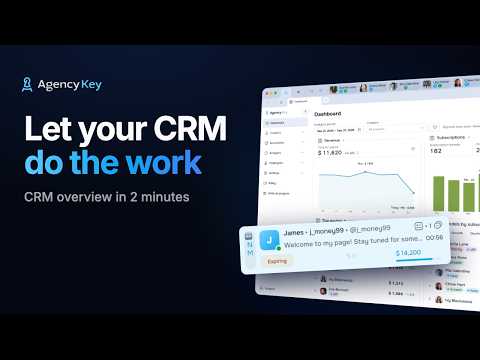
Many agencies build custom dashboards to track onlyfans models ranked in real time. A typical setup involves pulling data from the OnlyFans API (or a third‑party analytics service), normalizing it, and visualizing it with a business intelligence tool.
Key steps include:
- Identify the data sources (API, CSV exports, manual entry).
- Map each metric to a weighted scoring system.
- Create visual widgets for top‑10 lists, trend lines, and heat maps.
- Schedule automated refreshes to keep rankings current.
Once the dashboard is live, you can filter by niche, region, or time period, making the ranking system adaptable to a variety of business needs.
How to Use Rankings for Strategic Decision‑Making
With a reliable “onlyfans models ranked” list, you can make data‑driven decisions in several areas:
- Talent acquisition: Prioritize models who score high on both earnings and engagement.
- Pricing strategy: Adjust subscription tiers based on where a model sits in the earnings percentile.
- Content planning: Replicate successful posting frequencies and content types observed among top performers.
- Marketing spend: Allocate ad budget toward models with low churn but high growth potential.
Remember that rankings are a snapshot; combine them with qualitative insights such as brand alignment and personal goals for a holistic view.
Common Pitfalls and How to Avoid Them
Even the most sophisticated ranking systems can mislead if not used carefully. Some frequent mistakes include over‑reliance on a single metric (e.g., subscriber count alone), ignoring seasonal fluctuations, and failing to account for content quality.
To mitigate these risks, adopt a multi‑metric approach, review data over a rolling 3‑ to 6‑month window, and supplement numbers with manual reviews of content style and audience feedback. This balanced methodology reduces the chance of chasing vanity metrics.
Pricing Considerations for Ranking Tools and Services
If you decide to purchase a dedicated ranking platform, look for transparent pricing structures. Typical models include monthly subscriptions based on the number of profiles tracked, or a tiered plan that unlocks advanced analytics such as predictive modeling.
For smaller creators, free or low‑cost spreadsheet templates can be sufficient, while larger agencies may justify the expense of a premium SaaS solution that offers API access, custom integrations, and dedicated support.
Support, Security, and Reliability When Handling Sensitive Data
Any system that processes onlyfans models ranked data must meet strict security standards. Ensure the provider encrypts data at rest and in transit, offers role‑based access controls, and complies with relevant privacy regulations (e.g., GDPR for European creators).
Reliable support is equally important. Look for vendors that provide 24/7 help desks, detailed documentation, and a clear SLA for uptime. When you’re managing revenue‑critical information, downtime can directly impact earnings.
For a quick start, you can explore free resources that explain the basics of data security while you evaluate paid options.
Learn more about complimentary tools at free onlyfans why.
Future Trends: AI‑Powered Rankings and Automation
Artificial intelligence is beginning to reshape how “onlyfans models ranked” lists are generated. Machine‑learning models can predict churn, suggest optimal posting times, and even recommend personalized pricing based on fan behavior.
Automation tools are also emerging that sync ranking data with CRM systems, allowing agencies to trigger outreach campaigns automatically when a model’s performance dips or spikes. Keeping an eye on these innovations will help you stay ahead of the competition.
Conclusion: Turning Rankings into Real‑World Growth
Effective use of onlyfans models ranked data can transform a vague sense of where a creator stands into concrete, actionable insight. By understanding core metrics, building a reliable dashboard, and applying the information to talent management, pricing, and marketing, you turn numbers into growth.
Start with a simple spreadsheet, experiment with weighting, and gradually scale to a full‑featured analytics platform as your needs evolve. The key is to stay data‑informed, remain flexible, and always align rankings with your broader business objectives.